Breaking Down E-Waste: Key Myths and Facts About Recycling
E-waste is a growing concern in our current technological landscape. Numerous individuals harbor misunderstandings about its recycling. Prevailing myths claim that e-waste has no recycling solutions or that proper disposal methods are restricted. Such misconceptions may impede proper recycling practices and worsen environmental harm. Grasping the facts surrounding e-waste handling is crucial. How does e-waste truly affect the environment, and what steps can individuals take toward a more sustainable tomorrow? Examining these concerns uncovers important findings.
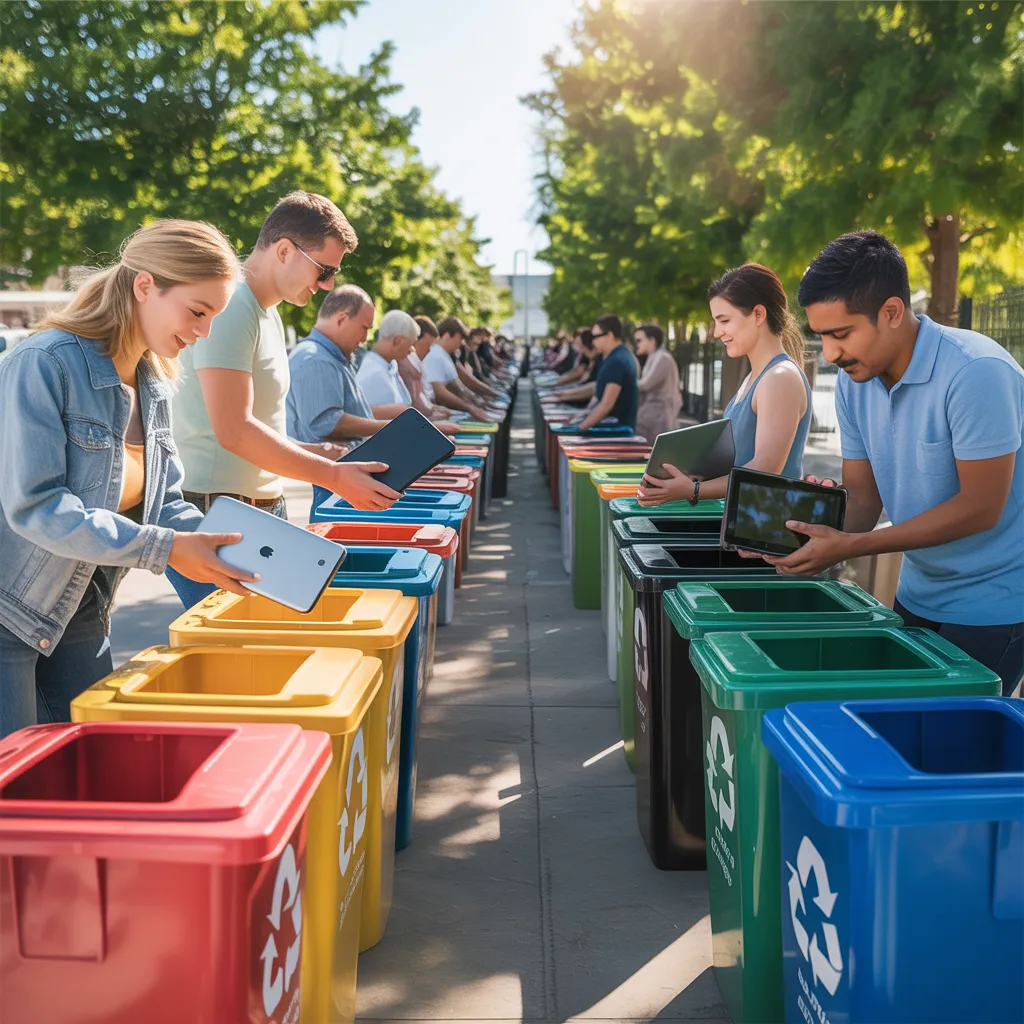
Exploring E-Waste: What It Means and How to Get Rid of It Responsibly
Electronic waste, commonly known as e-waste, is defined as discarded electrical devices, including computers, smartphones, and televisions. This category of waste is rapidly increasing due to the fast-paced evolution of technology, leading to significant environmental concerns. Many electronic devices contain hazardous materials such as lead, mercury, and cadmium, which can pose risks to human health and ecosystems when improperly disposed of.
The responsible handling of e-waste includes recycling through accredited programs that guarantee secure processing and management. A wide range of local and national organizations facilitate collection events, drop-off centers, and postal recycling options. Customers are urged to seek out certification labels, including R2 or e-Stewards, to ensure their electronic waste is disposed of in a responsible manner. In addition, donating functioning devices can extend their life cycle while reducing waste. By gaining knowledge about e-waste and implementing appropriate disposal techniques, individuals can support a more sustainable future and lessen environmental consequences.
Dispelling Common Misconceptions About E-Waste Recycling
In what ways do common misconceptions about e-waste recycling impede effective disposal practices? Misunderstandings surrounding e-waste recycling often lead to improper disposal methods, ultimately exacerbating the problem. One widespread misconception is that all e-waste is fully recyclable, which tends to breed complacency. In reality, not all components can be processed effectively, and some may require specialized handling. Another common belief is that recycling e-waste is excessively complicated or costly, preventing individuals from getting involved. As a matter of fact, a great many communities make available accessible and cost-free recycling programs. Additionally, the belief that e-waste simply ends up in landfills undermines the significant efforts of recycling organizations that prioritize responsible processing. Such misconceptions not only mislead the public but also obstruct the collective effort required to manage e-waste sustainably. Tackling and dispelling these misconceptions is vital for promoting responsible consumer behavior and improving the overall effectiveness of e-waste recycling efforts.
What Are the Environmental Consequences of Not Recycling E-Waste
Not recycling e-waste properly presents serious dangers to the environment. When electronic devices are discarded improperly, toxic substances including lead, mercury, and cadmium can seep into soil and water supplies, resulting in serious environmental pollution. These toxic substances pose health risks to wildlife and humans alike, damaging ecosystems and polluting food supplies.
Moreover, the stockpiling of e-waste in landfills results in the erosion of natural resources. Useful metals and materials that could otherwise be reclaimed and recycled are forfeited, elevating the demand for new mining operations, which further harms the environment. Moreover, the carbon footprint associated with manufacturing new electronics is worsened, as raw materials are harvested and utilized.
The Right Approach to Recycling Your Old Electronics
In the context of recycling old electronics, there are multiple viable solutions for consumers. Regional recycling facilities frequently offer safe and responsible disposal methods, ensuring that materials are processed responsibly. Additionally, charitable giving of working electronics can maximize their usefulness as well as helping people who may lack access to such technology.
Neighborhood Recycling Efforts
Many communities now offer local recycling programs created exclusively for the proper discarding of old electronics. These efforts work to minimize digital waste by establishing easy-to-reach collection sites and scheduled collection events. Community members can typically access information on qualifying items, ensuring that hazardous materials are properly managed. Neighborhood recycling efforts frequently work alongside licensed e-waste disposal specialists, who comply with ecological guidelines to reclaim valuable materials and dispose of harmful components responsibly. A number of programs further include benefits, like price reductions on updated technology, to promote community involvement. Through taking advantage of these community assets, residents can support ecological preservation while making certain their used electronics are handled in a secure and thorough way. Understanding these opportunities is critical for conscientious electronic waste handling.
Charitable Donation Options
Local recycling programs not only provide a means for proper disposal but also create opportunities for donating old electronics. Many organizations accept functioning devices, such as computers, smartphones, and tablets, which can be repurposed for educational or charitable use. Educational institutions, non-profit organizations, and community hubs frequently accept these contributions, guaranteeing that useful technology is delivered to those who require it. Furthermore, certain manufacturers and retailers provide trade-in initiatives, enabling people to swap outdated devices for store credit, which encourages environmentally responsible practices. It is important to investigate nearby alternatives and confirm that the accepting organization adheres to ethical recycling standards. By choosing to donate over throwing away, individuals can lengthen the lifespan of electronic devices while fulfilling their community's technological demands.
How Recycling E-Waste Can Benefit You and the Environment
Though frequently underappreciated, e-waste recycling presents meaningful gains for both people and the planet. By properly recycling electronic waste, individuals can guarantee that useful substances, such as metallic and plastic components, are extracted and reintegrated, limiting the requirement for raw material extraction. This not only safeguards environmental resources but also limits harmful emissions associated with mining and manufacturing processes.
Moreover, e-waste recycling helps prevent toxic substances, such as lead and mercury, from seeping into the soil and water supply. By diverting e-waste from landfills, neighborhoods can significantly reduce potential health risks to people and wildlife alike.
Additionally, engaging in e-waste recycling is capable of generating monetary prospects, as the recycling industry generates jobs and strengthens local financial growth. At the core, effective e-waste recycling fosters a sustainable future, supporting individual well-being, the environment, and the economy in equal measure. Recognizing these advantages can inspire more community members to engage in e-waste recycling programs.
Finding Local E-Waste Recycling Programs Near You
How do people go about finding e-waste recycling programs in their community? A variety of resources are available to assist in this endeavor. Municipal governments frequently operate websites that feature approved recycling centers. Such websites generally provide information on accepted items and applicable fees. In addition, organizations such as Earth911 provide searchable databases, allowing users to find nearby e-waste drop-off locations by entering their zip codes.
Community events, such as electronic waste collection drives, are regularly arranged by city authorities or charitable organizations, supplying easy alternatives for responsible disposal. Electronic goods sellers may also engage in waste reduction efforts, collecting old electronics for appropriate handling. Furthermore, state-level ecological departments often supply information on e-waste management and can direct individuals to reliable disposal solutions. By making use of these services, individuals can be certain their digital waste is managed sustainably, fostering long-term environmental health.
Frequently Asked Questions
Can Electronic Waste Be Fixed Instead of Being Recycled?
E-waste can often be repaired as an alternative to recycling, based on the device's condition and availability of parts. Restoring extends the item's lifespan and lessens the burden on the environment, serving as a green substitute for standard recycling practices.
Which Types of Electronics Are Classified as E-Waste?
Electronic waste consists of unwanted electronic equipment for example televisions, computers, smartphones, tablets, appliances, and printers. Such products frequently contain harmful substances, which makes responsible recycling and disposal necessary to safeguard the environment and public health.
Are There Any Legal Regulations on E-Waste Disposal?
Yes, there are legal regulations overseeing e-waste disposal. Numerous regions and nations introduce legal measures to guarantee responsible recycling and disposal, aiming to limit ecological damage and promote responsible management of electrical waste through particular rules Visit here and requirements.
What Are the Safe Ways to Store E-Waste Prior to Recycling?
To safely store e-waste before recycling, it is recommended that individuals keep their devices in a cool, dry area, ensure all power sources are disconnected, and use sturdy containers to prevent damage. Clearly label all items to ensure correct disposal at a later time.
What Certifications Should I Seek When Choosing E-Waste Recyclers?
When evaluating electronic waste recyclers, people should seek out certifications such as R2 (Responsible Recycling Certification), e-Stewards, and ISO 14001. These credentials guarantee compliance with environmental standards and proper management of e-waste throughout the recycling process.